Genevieve Murphy

TOGETHER WE FEEL
AND
ALONE
WE EXPERIENCE
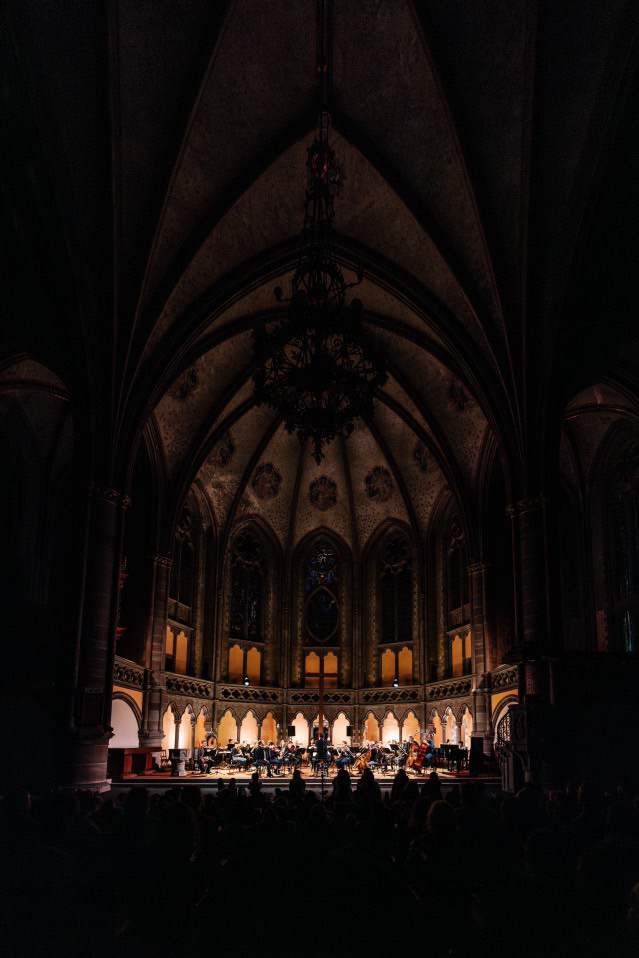
Composed and premiered in 2024 for ONCEIM (Paris), commissioned by Musica Festival (Strasbourg, FR) and Gaudeamus Muziekweek (Utrecht, NL)
“A transformation of sound, emotion, feeling and psychology. A journey towards the impossible dream of the bagpipes”, Tom Service on BBC Radio 3
Full recording
(Performed at Musica Festival, Strasbourg)
Audio examples accompanying the score (Please see “General Explanation” in score)
Programme Note
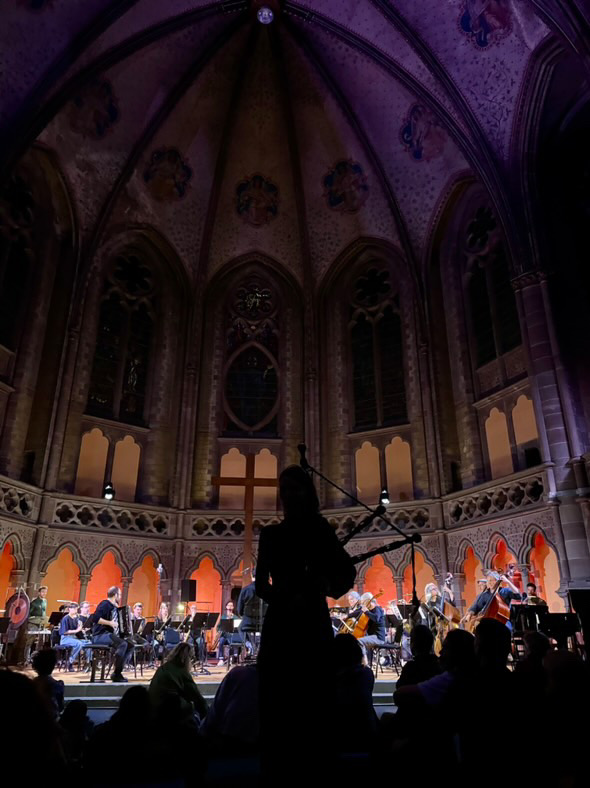
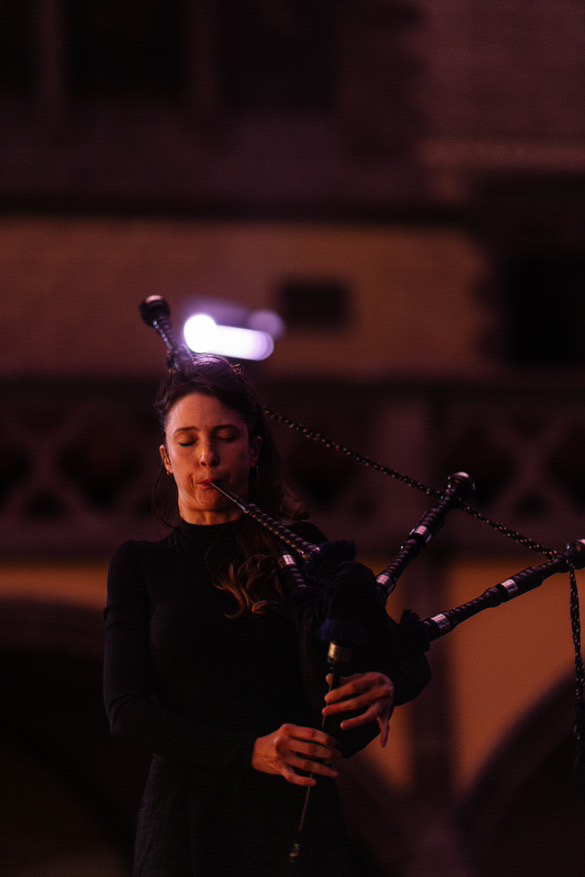
Together We Feel And Alone We Experience (2024), for Highland bagpipes and ONCEIM, explores isolation, individuality and collectivity through my fascination with the bagpipes. Their characteristics become a starting point for discovering the orchestra, with equal curiosity towards similarities and differences. At the heart of the work is a longing to play with others, and for others to find a way to connect with me.
I began learning the bagpipes at the age of seven, alongside piano and cello, and they have stayed by my side ever since. Yet when playing with other musicians, I often feel like an outsider. Played conventionally, the bagpipes offer little flexibility in volume: I cannot create a crescendo, enter quietly or discreetly stop playing. Their sound cuts in at high volume and cuts out. Their limited range of notes and particular microtonal tuning can make it difficult to find a shared sound with other instruments. Some experiences have sounded awful in combination with other instruments.
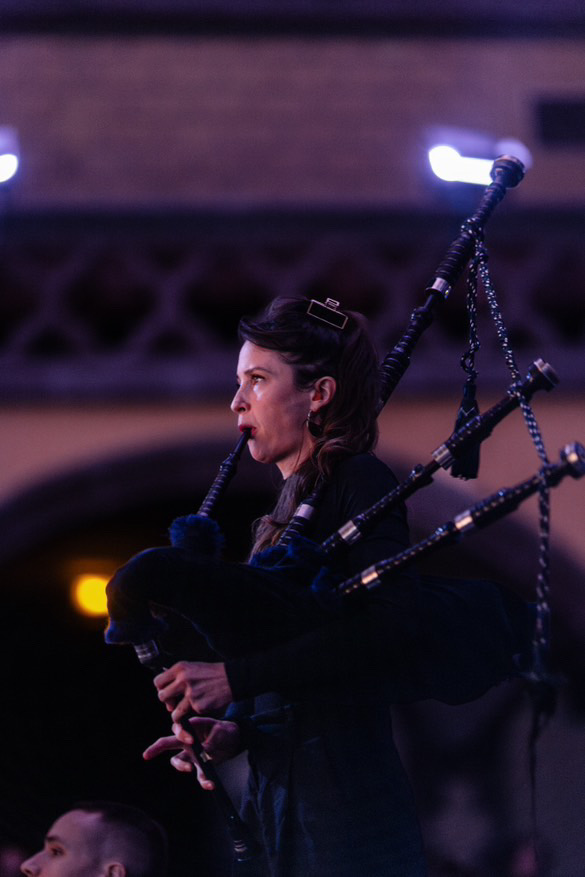
Even beginning to play demands a conspicuous physical action. I inflate the bag with my lungs, audibly filling it before punching it to bring in the sound. That entrance can feel alienating, uncomfortable, violent, rude, indiscreet, tiring and a little embarrassing.
However, I know no other instrument that asks for my whole body to be so present and involved, requiring such strength and stamina. Its volume invokes a celebration. The world becomes tangible through a powerful and open presence that immerses me in a fascinating microtonal language. My attachment to this sound and sensation coexists with a fascination for what other instruments can do: shape dynamics, create silences between phrases and vary in timbre- possibilities that are limited when I play the bagpipes conventionally.
How can ONCEIM bend to meet an instrument with so little capacity to adapt? My response was to compose ways for the orchestra to “become the bagpipes”: to enter their sound world through air, drones, grace notes, pitch, timbre and register, and their abrupt entrance and forceful presence. This search also moves away from the bagpipes, highlighting the other instruments’ own qualities.
The work unfolds as a narrative of searching and transformation. At the beginning, I inflate the bag and sound the drones, offering a first glimpse of the instrument. ONCEIM then enters and carries the exploration forward through the orchestra’s own sounds. Later, I bring in the full sound of the bagpipes, allowing the listener to encounter the instrument in full. The orchestra joins, and the influence of the bagpipes spreads through the whole of ONCEIM.
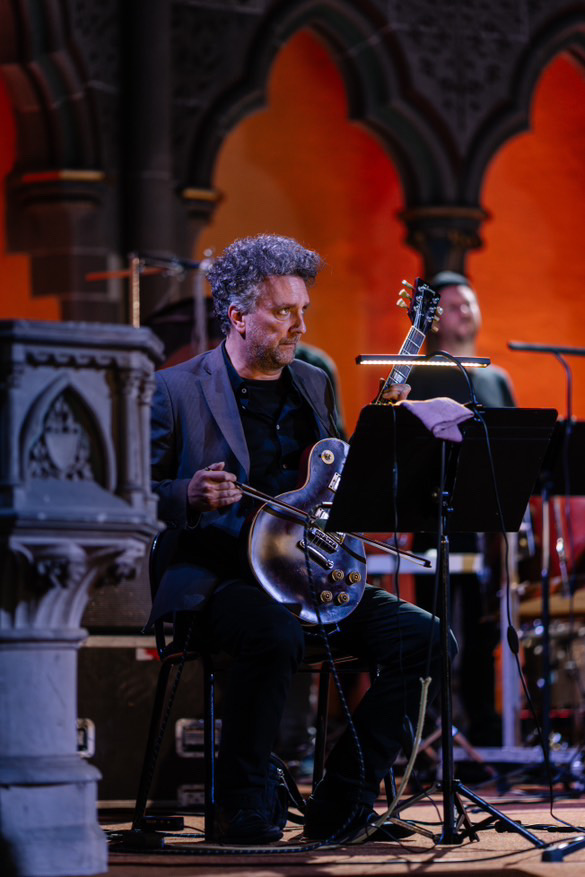
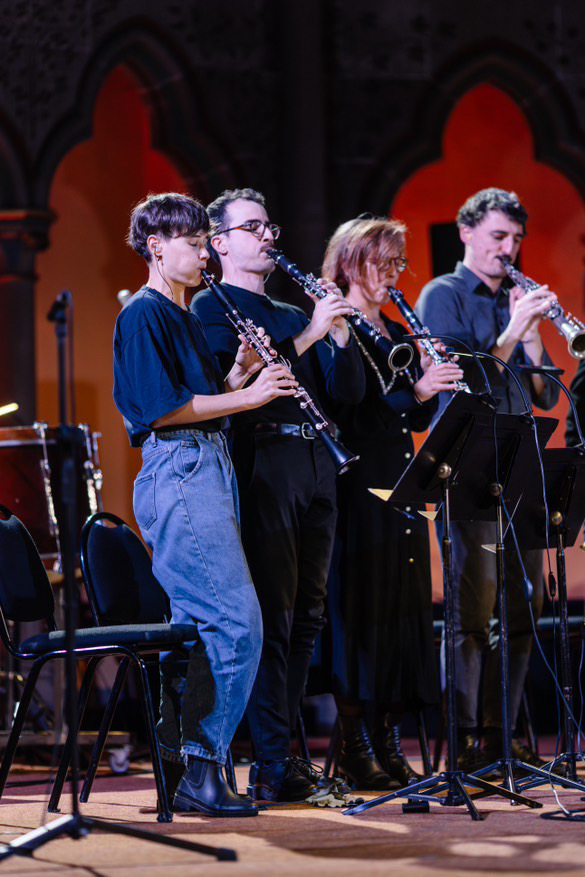
The work was composed specifically for ONCEIM’s musicians. Working closely with them in Paris, I learned about their individual ways of playing and the techniques, sounds and improvisations they shared with me. I used graphic notation, including drawings, alongside conventional notation, written explanations and audio examples to bring these discoveries into the score. Their personal approaches helped shape both the musical material and the way I scored it. Understanding my own instrument became a way of discovering others.
Through this process, I explore a paradox: the attempt to become one instrument also reveals the individuality of each instrument and musician. The qualities that have made me feel isolated become a starting point for a shared sound, while each instrument brings its own possibilities to that encounter. The work offers a way to consider how individuality can exist within a collective. We may feel together, but we experience individually.
Score
Photos